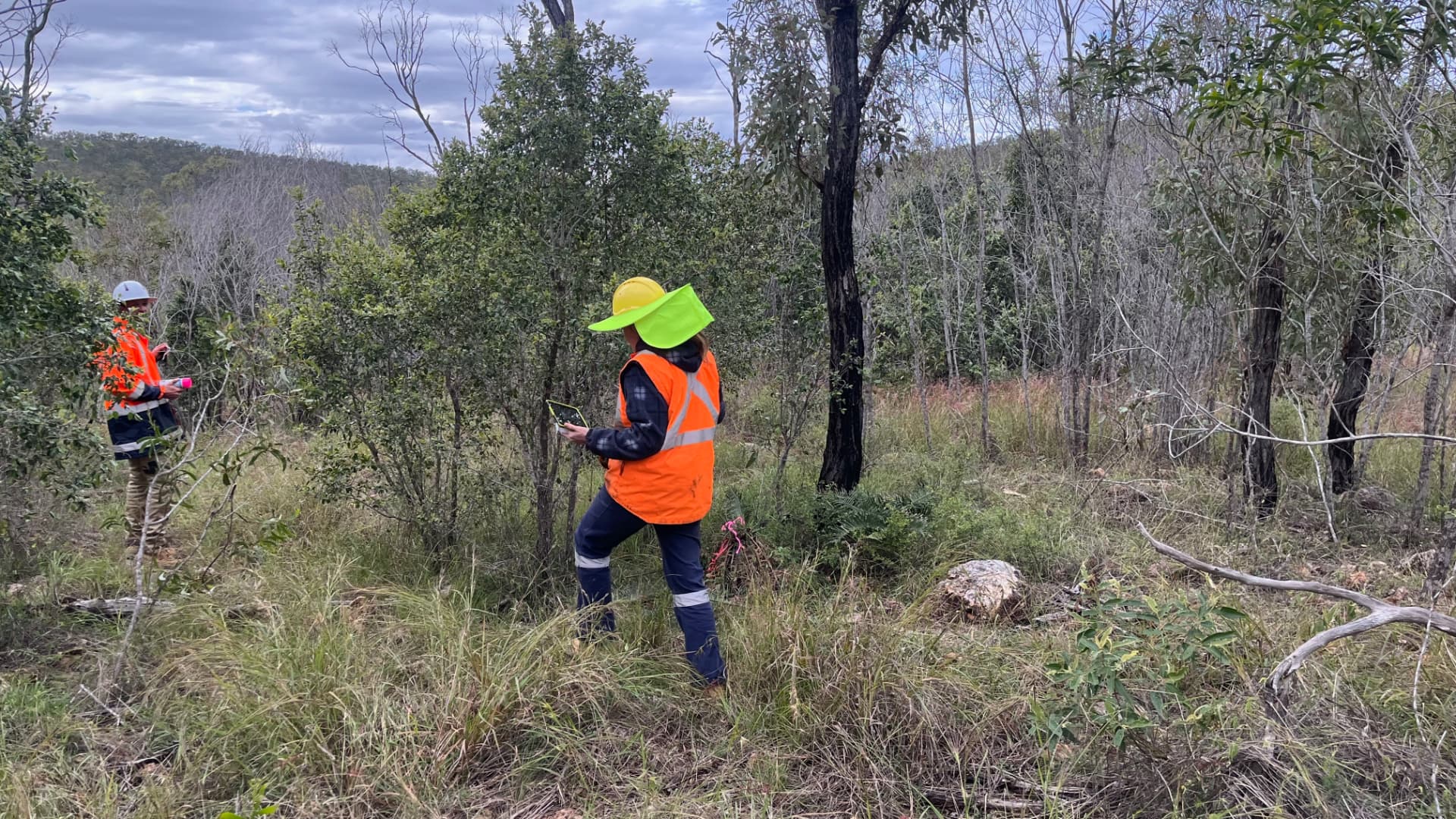
Green Tape Solutions is assessing the potential for a Nature Repair Market project on the remaining land at Awoonga Hills, near Benaraby in Queensland’s Gladstone region. The assessment brings together ecological surveys, property information and restoration planning to investigate opportunities under the proposed Enhancing Native Vegetation method.
Understanding the property and its opportunities
Awoonga Hills includes land identified for biodiversity offsets. Green Tape Solutions’ current Nature Repair Market assessment focuses on the remaining area, investigating whether it could support a separate project with clearly defined biodiversity outcomes.
This distinction matters. Land outside a mapped offset boundary is not automatically eligible for the Nature Repair Market. Existing management obligations, land-use history, tenure and the proposed activities must also be considered.
The Clean Energy Regulator identifies legal additionality—ensuring a project is not already required by law—as a core eligibility requirement.
For Awoonga Hills, the assessment needs to establish where additional restoration or vegetation management could deliver benefits beyond existing commitments.
Starting with ecological surveys
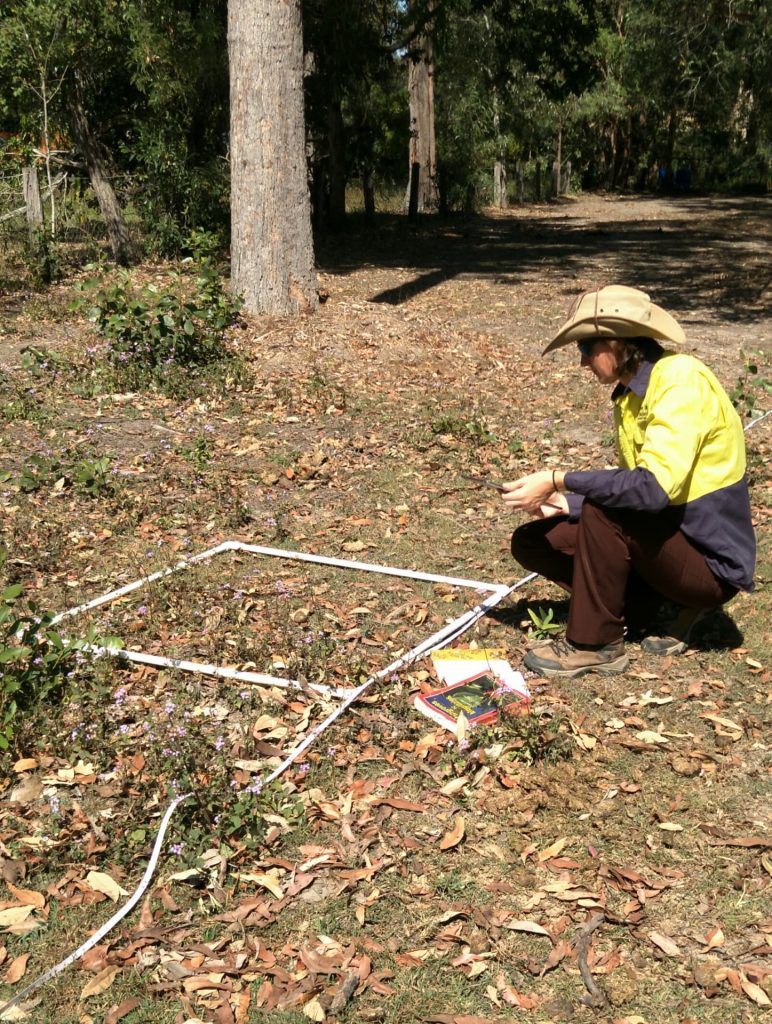
The first survey and assessment stage provides the foundation for understanding the land’s restoration potential. It combines a review of existing ecological information and mapping with field assessment of the area being considered for nature repair.
The purpose is to establish what vegetation is present, its current condition, the pressures affecting it and its capacity to recover. Relevant observations include native plant diversity, vegetation structure, natural regeneration, weed cover and evidence of grazing or other disturbance.
These observations help distinguish areas that may recover through improved management from areas that could require active restoration, such as supplementary planting. They also inform the selection of reference ecosystems—the ecological conditions against which restoration objectives can be assessed.
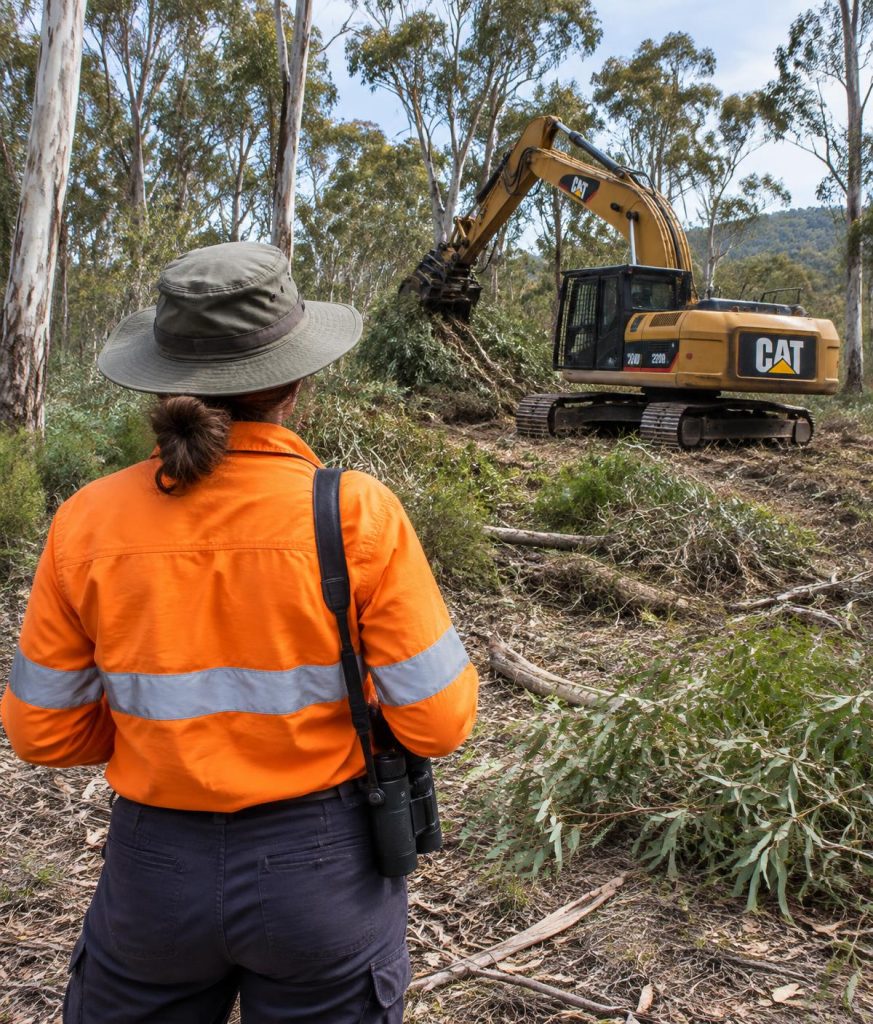
Existing offset studies provide useful background, but their findings cannot simply be applied to the remaining land. That area requires its own assessment, with survey coverage and measurements suited to the proposed Nature Repair Market pathway.
Assessing the proposed Enhancing Native Vegetation method
The proposed Enhancing Native Vegetation (ENV) method is intended to support improvements to remnant vegetation, maintenance of vegetation in moderate to high condition, and revegetation through planting or facilitated regeneration.
These pathways provide a framework for investigating different opportunities across a property.
At Awoonga Hills, the assessment is considering how the remaining land and potential management activities align with that framework. This includes checking geographic and land eligibility, defining assessment areas, establishing starting condition and identifying achievable restoration objectives.
The draft method also addresses Indigenous engagement, site assessment reporting, project planning and ongoing monitoring. Its assessment framework links the ecological starting point with proposed activities and the outcomes a project seeks to achieve.
As the method remains under development in the official guidance reviewed, this work supports project preparation and feasibility assessment. Eligibility and application requirements will need to be checked against the final method before registration is pursued.
Turning evidence into reports and a practical plan
The reporting stage brings field observations, mapping and eligibility checks together into a documented basis for decision-making.
For Awoonga Hills, the intended reporting pathway is to describe the assessment area and its ecological condition, identify constraints and information gaps, and evaluate suitable restoration activities.
A supporting project plan would then set out where activities would occur, their timing, management responsibilities and how progress would be monitored.
A useful assessment must distinguish forecast improvements from demonstrated results. Baseline surveys establish the starting point; subsequent monitoring provides evidence of whether management is delivering the intended changes.
For landholders, this process helps clarify the likely management effort, ongoing commitments and further work needed before proceeding.
Ecological potential alone does not establish project eligibility or guarantee certification or a buyer.
How Green Tape Solutions can help
Green Tape Solutions is bringing together ecological assessment, reporting and method review to investigate the nature repair opportunity at Awoonga Hills. This approach helps landholders understand their property’s ecological values, identify realistic restoration options and prepare the evidence needed to assess a potential project.
Send Green Tape Solutions your property address or lot and plan, together with details of existing offset or conservation commitments, to discuss a Nature Repair Market assessment.
Information checked on 29 October 2026. The ENV method is described as proposed, consistent with the official sources reviewed.
References and further reading
- Department of Climate Change, Energy, the Environment and Water (2026). Methods for the Nature Repair Market.
- Nature Repair Committee (2026). Enhancing Native Vegetation method consultation, draft instrument and detailed explainer.
- Clean Energy Regulator. How to participate in the Nature Repair Market scheme.