Australia's environmental reforms are changing the way impacts on biodiversity are assessed and managed. The focus is moving beyond simply compensating for environmental damage towards avoiding impacts, repairing affected environments and delivering measurable environmental improvements.
For developers, infrastructure providers and renewable energy proponents, this shift reinforces the importance of considering biodiversity from the earliest stages of project planning.
Why is the approach to environmental impacts changing?
Traditionally, environmental offsets have been used to compensate for significant residual impacts on biodiversity that remain after avoidance and mitigation measures have been considered.
However, offsets can involve considerable uncertainty. Restoring degraded habitat may take decades, particularly where mature vegetation, tree hollows or complex ecological communities are involved. Newly established habitat may not immediately provide the same ecological functions as the habitat being lost.
There are also challenges associated with demonstrating that offset actions provide additional conservation benefits, remain effective over time and address the specific environmental values affected.
The reformed national environmental framework places greater emphasis on the mitigation hierarchy and requires environmental offsets, where permitted, to contribute to a net gain.
The mitigation hierarchy: Avoid, Mitigate, Repair and Offset
The mitigation hierarchy establishes a sequence for considering environmental impacts.
1. Avoid impacts wherever possible
The strongest environmental outcome is often achieved by preventing an impact before it occurs.
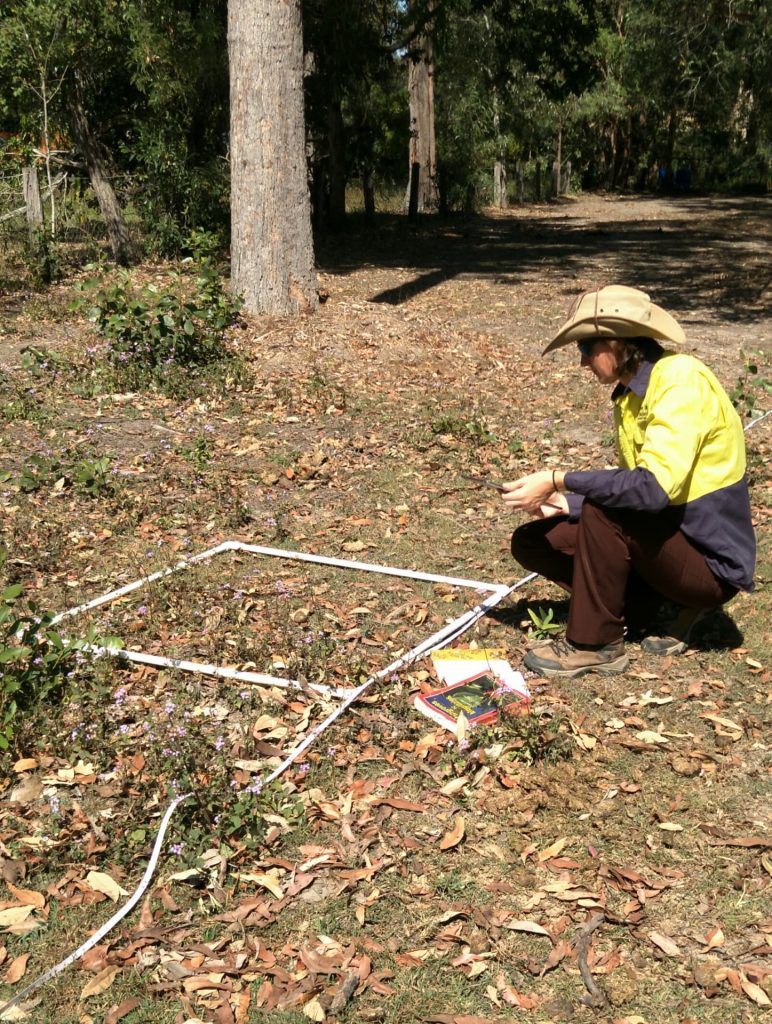
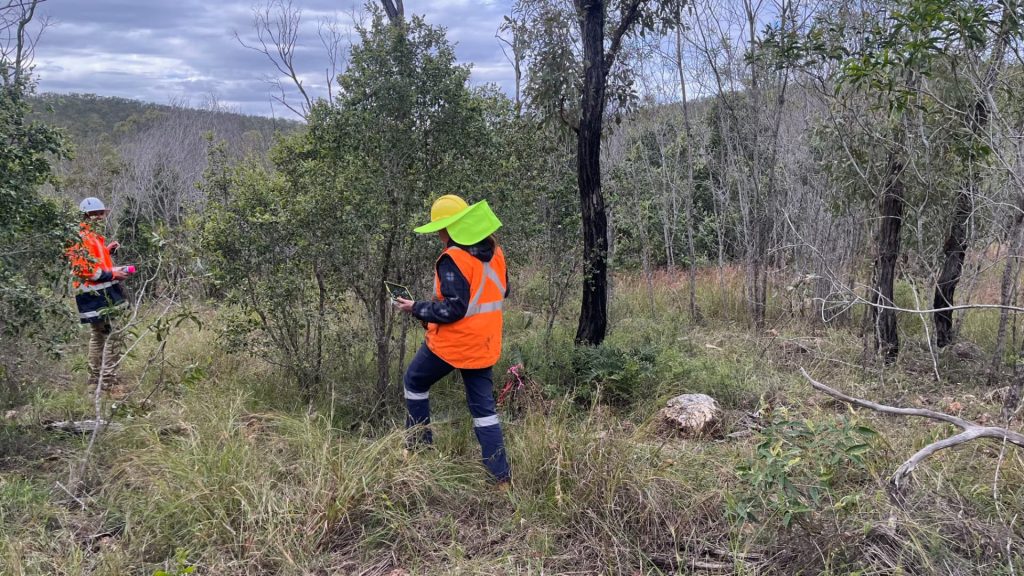
Early ecological investigations can help identify threatened species habitat, sensitive vegetation, wetlands and wildlife movement corridors.
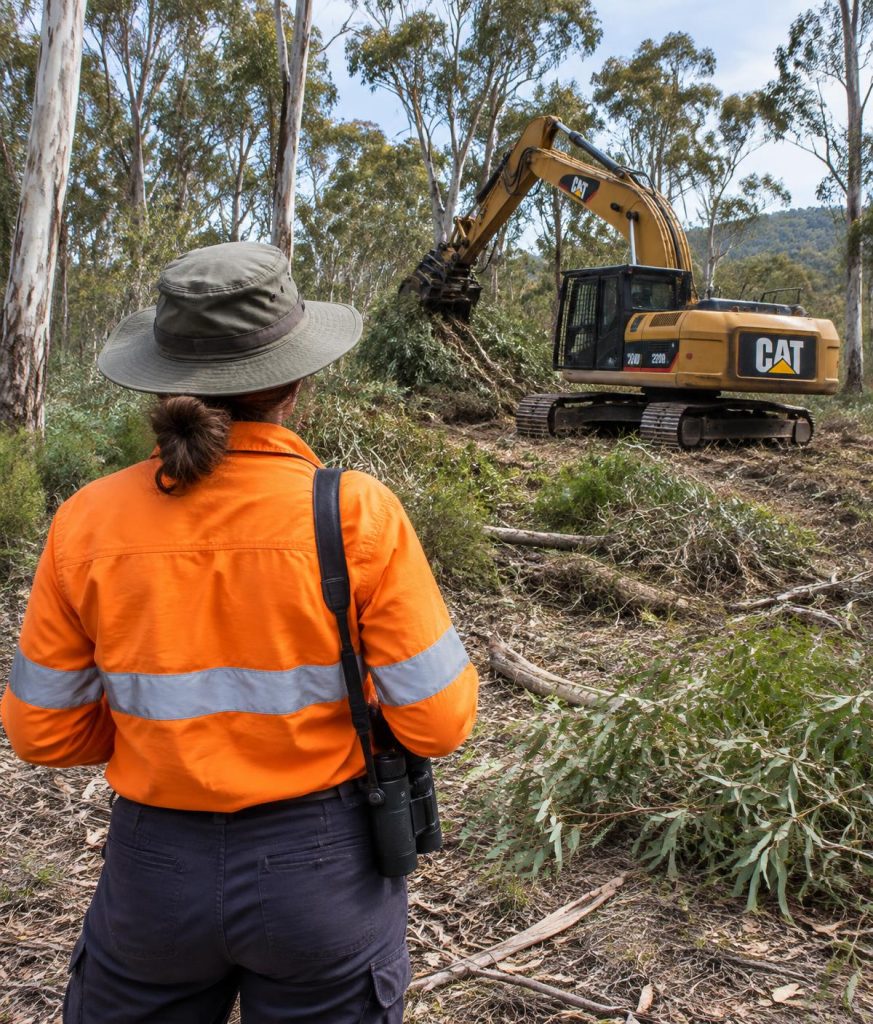
Project design can then consider opportunities to retain important environmental values through changes to infrastructure locations, development footprints or construction methodologies.
2. Mitigate impacts that cannot be avoided
Where impacts cannot be fully avoided, appropriate measures should be developed to minimise their severity, extent and duration. These measures may include retaining habitat buffers, controlling construction disturbance, implementing fauna management measures and adapting construction activities to sensitive ecological periods.
Mitigation measures should be supported by appropriate evidence and monitoring to assess their effectiveness.
3. Repair environmental damage
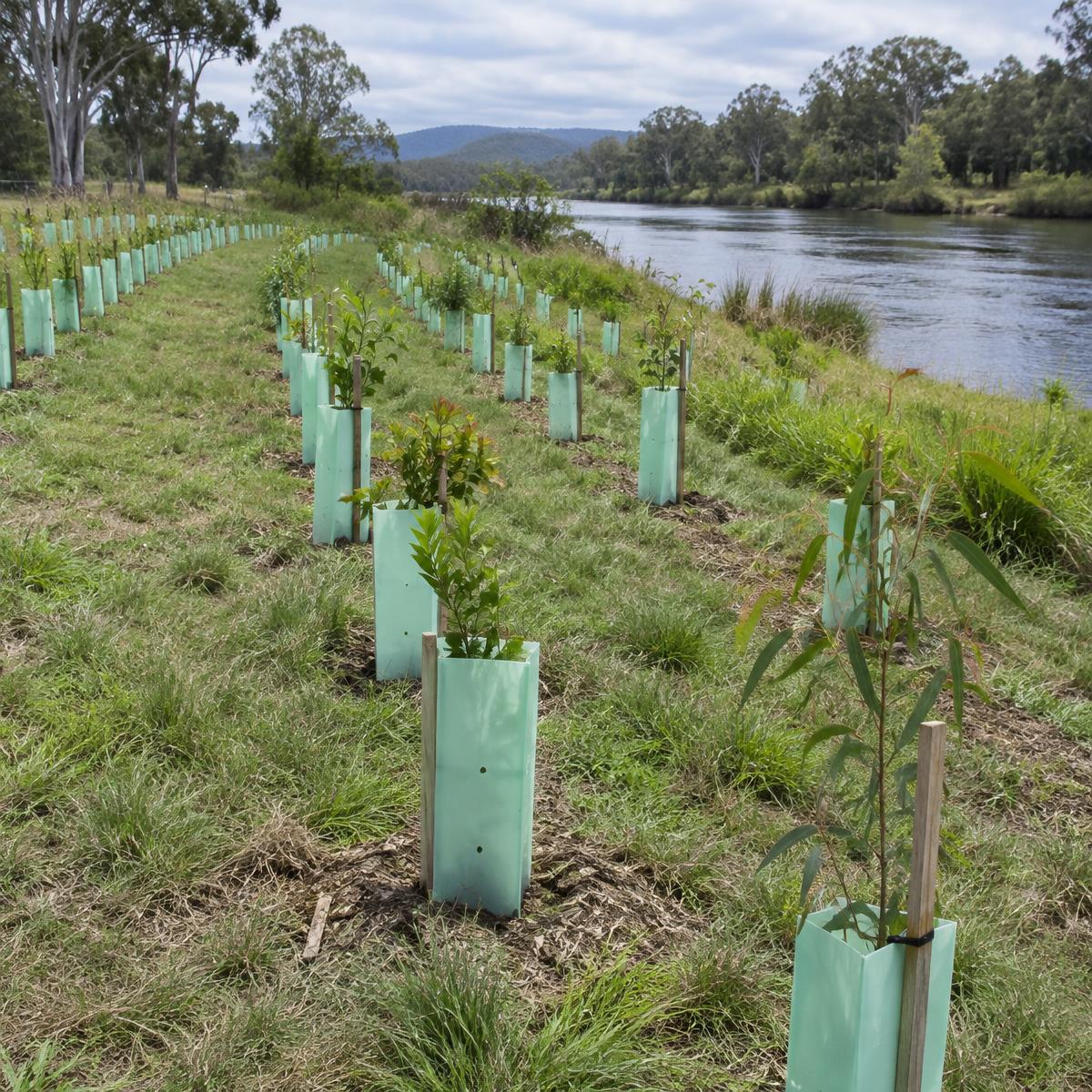
Where environmental harm occurs, opportunities to repair affected environments should be considered before relying on compensation elsewhere. Repair activities may include rehabilitating temporarily disturbed areas, reinstating native vegetation, restoring habitat features and addressing impacts to ecological function.
The objective is to address environmental damage as directly and effectively as possible.
4. Offset unavoidable residual impacts
Where significant residual impacts remain, and offsets are legally permitted, environmental offsets may be required.
Under the new National Environmental Standards, offsets must provide genuine environmental benefits and contribute to a net gain.
Offsets should not be treated as an automatic alternative to avoiding impacts, and certain unacceptable environmental impacts cannot ordinarily be approved simply by providing an offset.
What does net gain mean?
Net gain means achieving an environmental improvement beyond merely replacing or compensating for the biodiversity values lost.
In practice, demonstrating net gain requires careful consideration of ecological condition, habitat quality, species requirements, restoration timeframes, uncertainty and the long-term security of conservation outcomes.
For example, planting trees does not automatically demonstrate a net gain in biodiversity. The ecological value of a restoration project depends on factors such as species composition, establishment success, habitat connectivity, long-term management and whether the restored area provides suitable habitat for the species affected.
Similarly, protecting existing habitat does not necessarily demonstrate an additional conservation benefit unless the protection produces outcomes beyond what would otherwise be expected.
Reliable ecological baselines, measurable performance indicators and long-term monitoring are therefore important.
What are restoration contributions?
The reforms introduce additional pathways for delivering environmental offsets. Depending on the applicable requirements, proponents may deliver offsets directly, use eligible market-based arrangements or make restoration contribution payments to support environmental restoration undertaken through the government's framework.
These arrangements seek to create opportunities for coordinated restoration activities and more consistent environmental outcomes.
However, payment alone should not be confused with demonstrated ecological success. Restoration programmes require suitable planning, implementation, monitoring and accountability to deliver the intended benefits.
What does this mean for project proponents?
The changing framework reinforces several important considerations. Environmental constraints should be investigated early enough to influence project design. Avoidance and mitigation decisions should be clearly documented and supported by ecological evidence. Where restoration or offsets are proposed, the assessment should consider their likely ecological effectiveness, uncertainty and long-term management requirements.
Proponents should also recognise that some environmental values, particularly irreplaceable habitats or highly threatened species, may not be adequately compensated for through conventional offsets.
How Green Tape Solutions can help
Green Tape Solutions supports clients in identifying ecological values, evaluating development impacts and developing practical biodiversity management strategies.
Our experience includes threatened species investigations, vegetation and habitat assessment, biodiversity offset planning, ecological restoration and long-term environmental monitoring.
By integrating ecological expertise into project planning, we help clients assess opportunities to avoid and minimise impacts, identify appropriate management measures and understand their environmental obligations.
Effective biodiversity management begins with good project design, sound science and a clear understanding of the environmental values at risk.
Further information
- Australian Government – National Environmental Standards
- Australian Government – Stronger Environmental Protection and Restoration
- Australian Government – Environment Protection Reforms
The reforms are being implemented progressively. Requirements for offsets, restoration contributions and net gain must be considered in accordance with the applicable legislation and project approval pathway.